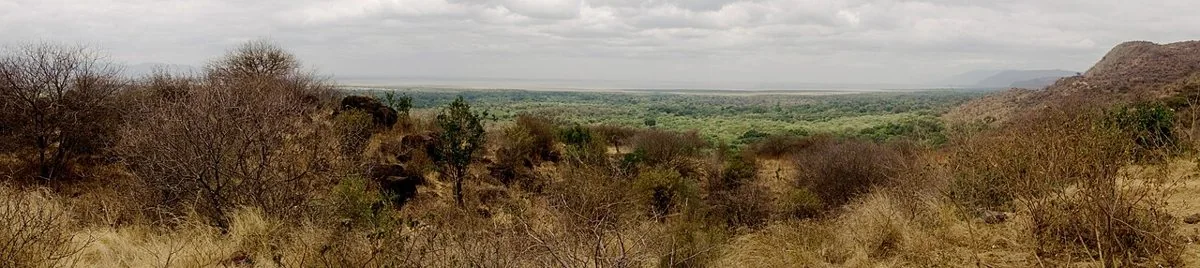
Isimila offers two visits in one small landscape outside Iringa. There is an archaeological site where researchers have studied a remarkable concentration of stone tools. Nearby, erosion has carved tall freestanding pillars out of the sediments. Allow time for both. The tools offer evidence of how people worked stone here. The walk shows how the ground that preserved that evidence is still changing.
How to look at a stone tool
Ask the interpreter to show how an intentionally struck flake differs from a naturally broken stone. On a handaxe, look for repeated removals from opposite faces that shape an edge. Acheulean is the archaeological term associated with assemblages including these large cutting tools. Shape, material and the position of finds together tell a richer story than a single handaxe in isolation. Different deposits can have different dates, so ask what a quoted age refers to.
The walk among the pillars
The erosion formations make sense after you have seen the sediment beds. From farther away, compare the top level of neighbouring pillars. Closer in, notice the channels where rainwater has removed softer material. Keep to the guide’s route. The ground can be loose underfoot and the pillar faces are fragile. Leave all stones in place, including pieces that simply look interesting.
A half-day from Iringa
Use Iringa town as your base and take the road toward Mbeya, confirming the turnoff and last stretch with the driver. Allow a morning for the return journey, interpretation and walking, especially if the group includes photographers. Arrange the return vehicle in advance. The site works particularly well on a day in Iringa before or after the longer road journey to Ruaha.
What to ask before setting out
Check that a guide or interpreter is available on your day, the current entrance arrangement and whether rain has affected the walk down into the eroded area. For a visitor who finds slopes difficult, ask which exhibits and viewpoints are reachable from the upper area and what would be missed by staying there. Carry water and sun protection: the exposed ground offers a different walking experience from the shaded streets of town.
A useful exercise for families
Have everyone choose one pillar to sketch from the path, then mark where loose material appears below it. Back at the tool display, sketch the edge of a handaxe and the scars left by removed flakes. One form comes from erosion and the other from deliberate work. Looking for the difference gives younger visitors a specific task without collecting or handling anything from the site.
Visitor information and sources
- Mapping Africa’s Endangered Archaeological Sites and Monuments on Isimila
- Tanzania’s digital heritage collection on the stone tools
Related Tanzania guides
Another place to explore · Tanzania