
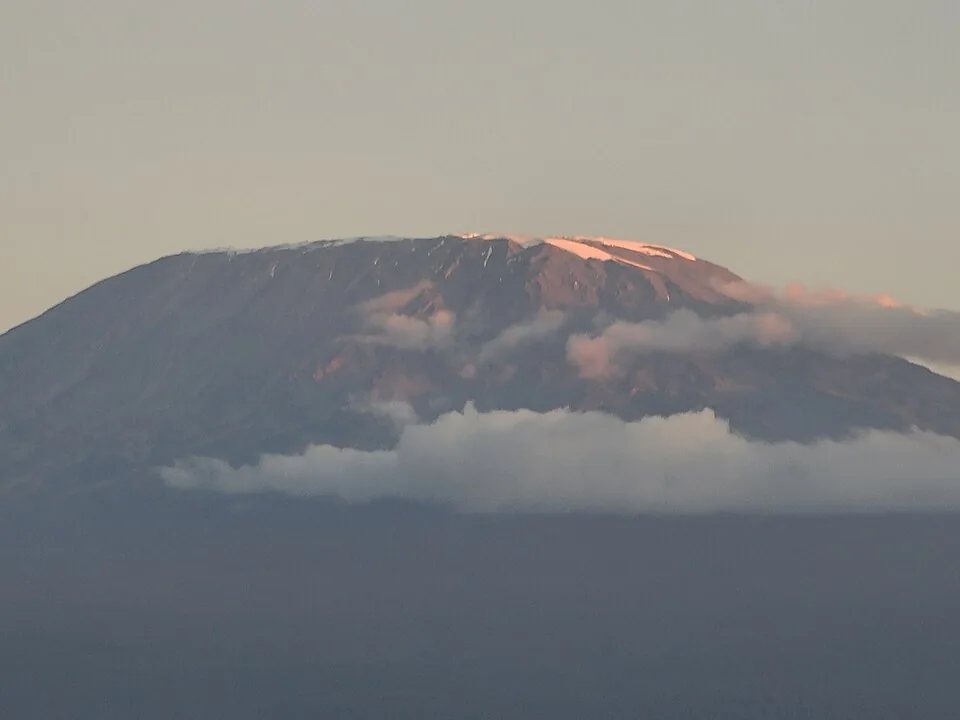

Kilimanjaro is a mountain of three volcanic centres: Shira, Mawenzi and Kibo. Uhuru Peak, the highest point in Africa at 5,895 metres, stands on Kibo’s crater rim. A climber travels from cultivated foothills and forest through heath and open alpine ground before reaching the summit zone. A day visitor can enjoy the first part of that journey with much less time.
Which approach fits your trip?
Marangu is the established hut route. It suits people who prefer a roof over their sleeping bag, although shared huts and fixed stages limit flexibility. Machame approaches from the southwest and uses camps. Lemosho comes from the west and gives more opportunity to build a longer itinerary across the Shira Plateau. Rongai approaches from the northern side. When comparing these names, look at the actual nights on the mountain and the heights of successive camps.
What a summit day involves
Many parties leave their high camp at night. By sunrise a party may be approaching a point on Kibo’s rim, but reaching the rim and reaching Uhuru are separate milestones. There is still a long descent after the summit attempt. Keep warm clothing, water and a working headlamp within reach, and discuss the return plan with the guide before going to sleep.
A day in the forest from Moshi
For a one-day visit, ask about a guided outing from Marangu Gate toward Mandara Hut. Set a turnaround time that fits your group and transport. Look closely at the transition from farms to dense forest, the moss on trunks and the way the canopy changes with height. A summit view from the forest is uncertain. If seeing the mountain from a distance matters most, ask about a foothill viewpoint as a separate stop.
Choosing an operator and travel dates
Start from Moshi or arrange a transfer that specifies your route’s gate. The drier stretches around January–February and June–October are popular, although wind, rain and cold remain possible. Ask for the day-by-day ascent profile, group size, crew provision, equipment, park charges and evacuation arrangements. High altitude can affect fit walkers. Discuss gradual ascent with the operator and any personal medical questions with a travel clinician before departure.
Two routes with the same name can differ
Compare two example booking lines: “Marangu, five days” and “Marangu, six days with an extra night at Horombo.” They share the hut route but allow different time at altitude. On camping routes, check the individual camps in sequence for the same reason. For equipment, ask which items arrive with the crew and what must stay in your own daypack between camps. A waterproof layer packed with a porter will be little use during a sudden shower.
Visitor information and sources
- Tanzania National Parks’ climbing routes and park map
- UNESCO on Kilimanjaro’s volcanic landscape
- CDC guidance on high-altitude travel