Why Tanzania
A country with its own rhythm.
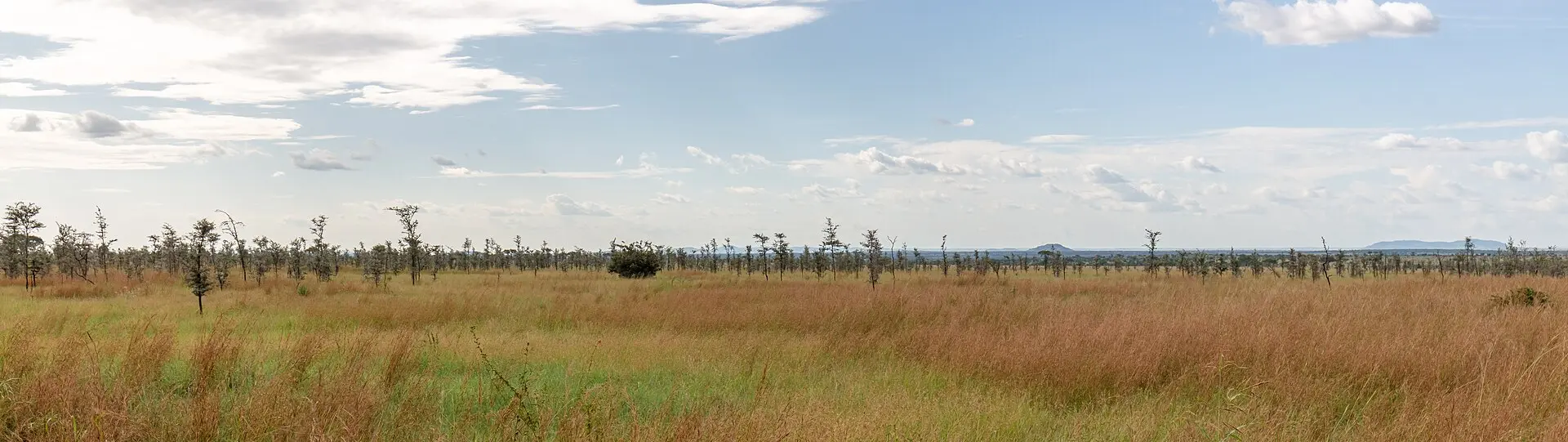
Tanzania brings together the Serengeti, Kilimanjaro and the layered culture of the Swahili islands. Its landscapes move through endless plains, volcanic calderas, forested mountains and turquoise Indian Ocean shallows. A good trip protects that variety without turning every day into a long transfer.
This guide is a planning foundation, not a promise of live availability. Use it to choose regions and priorities, then reconfirm entry rules, health requirements, access, prices and schedules for the actual dates.
Places worth your time
Six anchors for a thoughtful route.
Immense plains and year-round wildlife reward itineraries built around location, not only migration headlines.
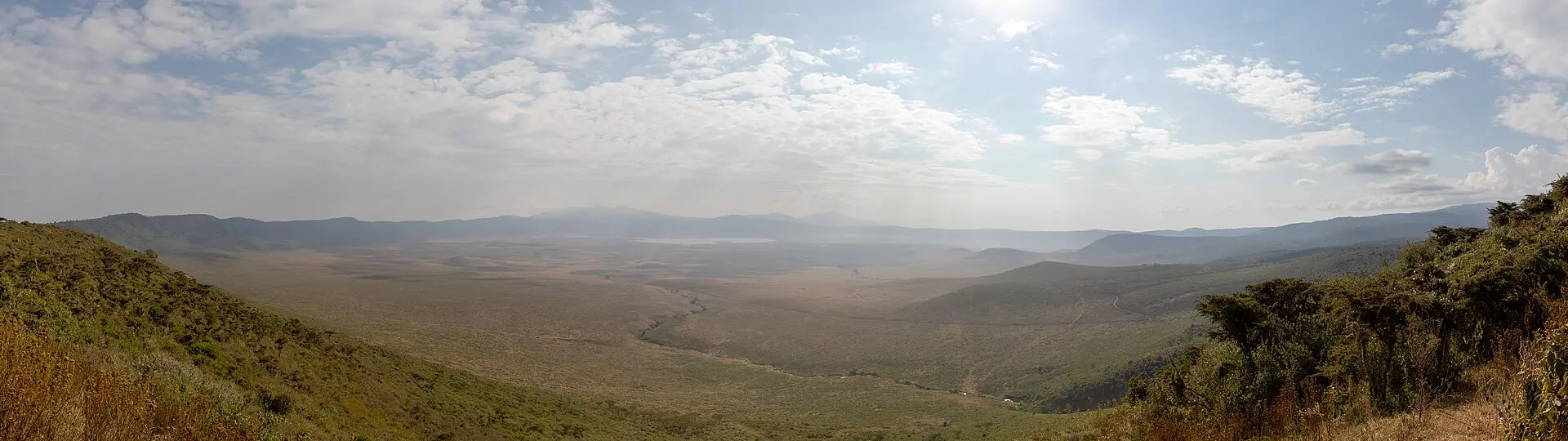
The highlands and caldera combine dense wildlife viewing with striking geological scale.
A serious multi-day climb requiring acclimatisation, responsible crew support and realistic preparation.
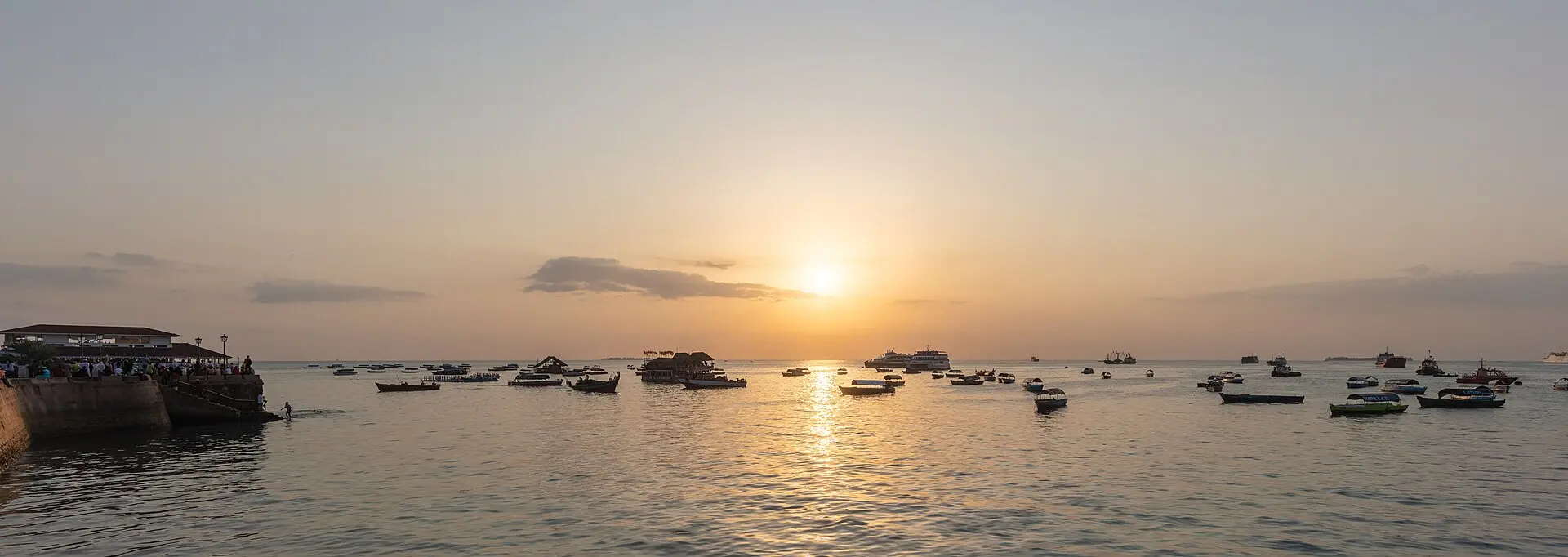
Stone Town heritage, spice-country stories and beaches create a textured island journey.
River channels and broad southern landscapes suit travellers seeking a quieter safari rhythm.
Baobabs, seasonal wildlife concentrations and an intimate landscape add contrast to the northern circuit.
These places are route ingredients, not a compulsory checklist. Geography should decide what fits. A slower itinerary often creates more wildlife time, deeper cultural context and less fatigue.
When and how
Practical decisions before booking.
Choose dates by purpose
June–October; other months suit specific regions is a useful broad reference. Rainfall, road conditions, animal movement, climbing conditions, festivals and coast weather can point to different months. Decide the main experience first, then compare dates.
Treat travel time seriously
Northern-circuit roads link well by private vehicle; light aircraft save time between remote parks, while ferries and flights connect Zanzibar. Add contingency before international flights and avoid following a demanding drive with another high-effort activity.
Budget the route, not only the hotel
The local currency is Tanzanian shilling (TZS). Park fees, specialist permits, domestic flights, private vehicles and remote-area logistics can shape the budget more than room category. Carry layered payment options and ask where cards, cash or mobile money work.
Taste the country
Food belongs in the itinerary.
Look for grilled meats, coconut-rich coastal dishes, tropical fruit, spice-island flavours and strong local coffee. A guided market visit or locally led meal adds context, but leave some meals unplanned so the trip can respond to recommendations and energy levels. Translate serious dietary restrictions clearly and keep appropriate medication accessible.
1,250 ways to start
Popular Tanzania trip ideas.
A connected region
Continue through East Africa.
Cross-border combinations work when flight schedules, border requirements and driving time support them. Do not add a country simply to collect another stamp.
Common questions
Before you personalise the route.
How many days should I spend in Tanzania?
Seven to ten days creates a useful first journey for many travellers, but the right duration depends on the regions chosen. One or two strong bases are better than a rushed list of every highlight.
When is the best time to visit Tanzania?
The broad planning window is June–October; other months suit specific regions. The best exact month depends on wildlife, hiking, beach conditions, road access and your tolerance for rain or crowds.
How do travellers get around Tanzania?
Northern-circuit roads link well by private vehicle; light aircraft save time between remote parks, while ferries and flights connect Zanzibar.