Why Uganda
A country with its own rhythm.
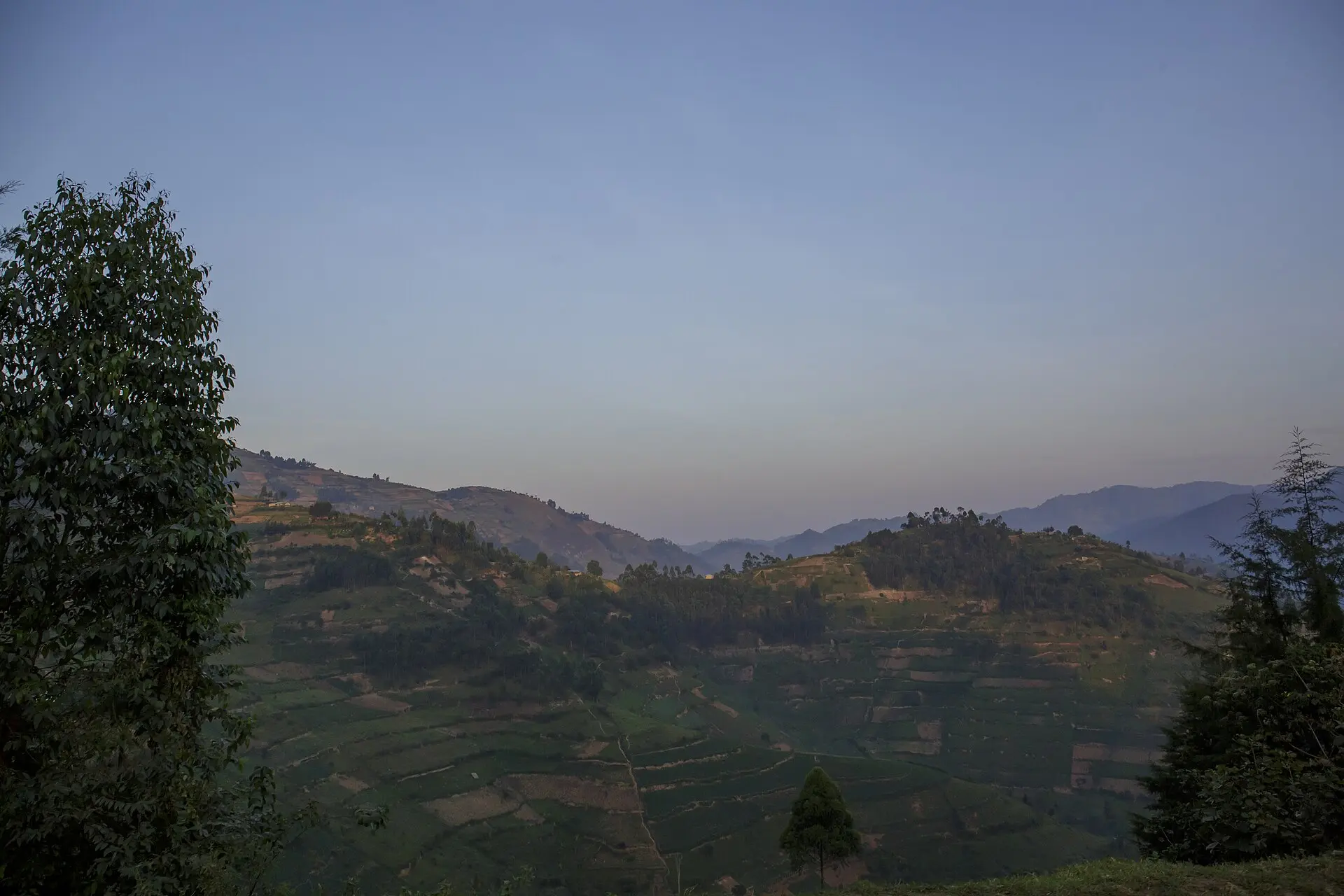
Uganda brings together great ape encounters, the Nile and remarkably varied green landscapes. Its landscapes move through misty rainforest, crater lakes, papyrus wetlands, savannah and the snow-capped Rwenzori. A good trip protects that variety without turning every day into a long transfer.
This guide is a planning foundation, not a promise of live availability. Use it to choose regions and priorities, then reconfirm entry rules, health requirements, access, prices and schedules for the actual dates.
Places worth your time
Six anchors for a thoughtful route.
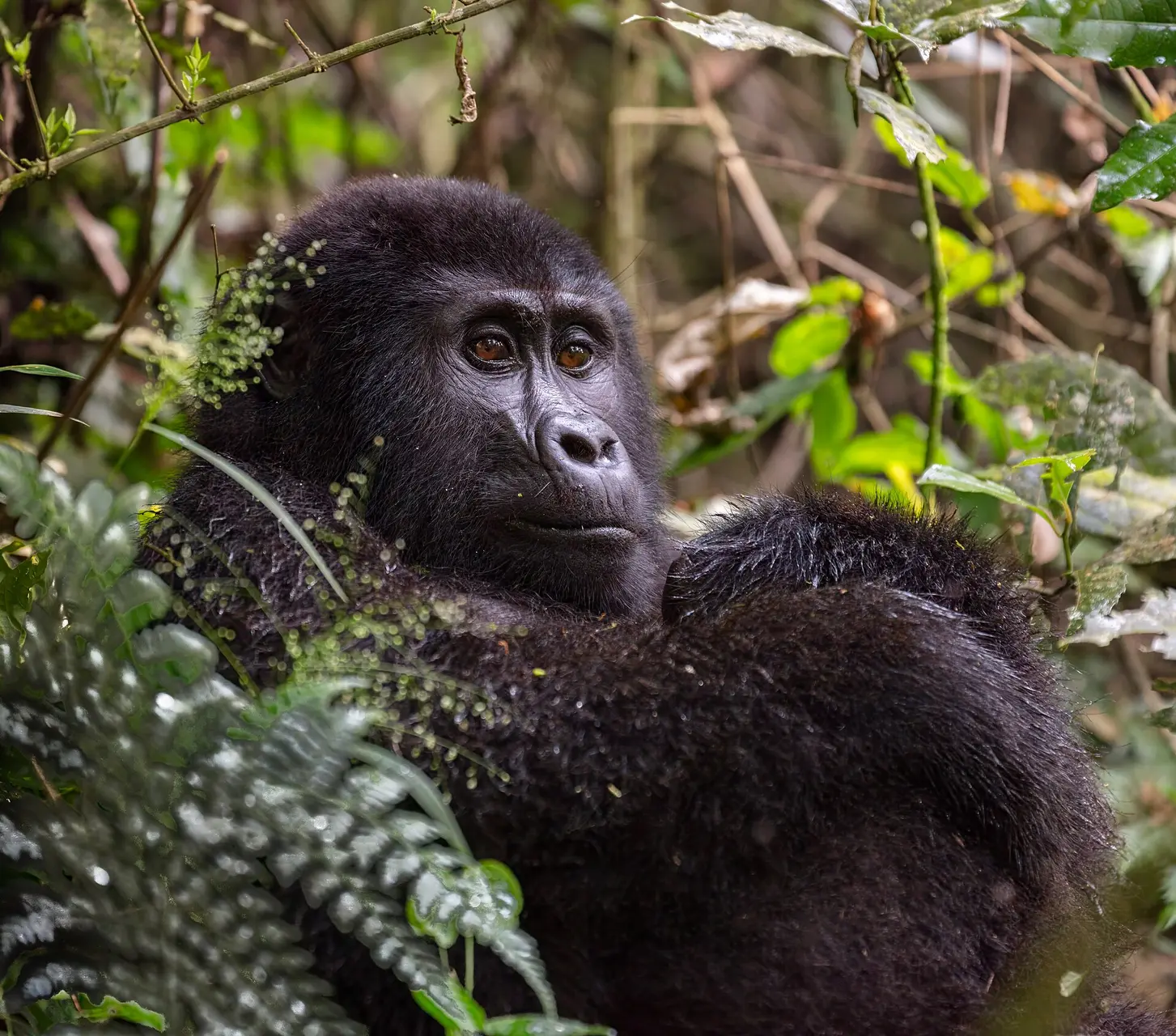
Ancient rainforest and carefully managed gorilla tracking form one of East Africa’s most powerful experiences.
Savannah, crater lakes and the Kazinga Channel support a varied, photogenic safari.
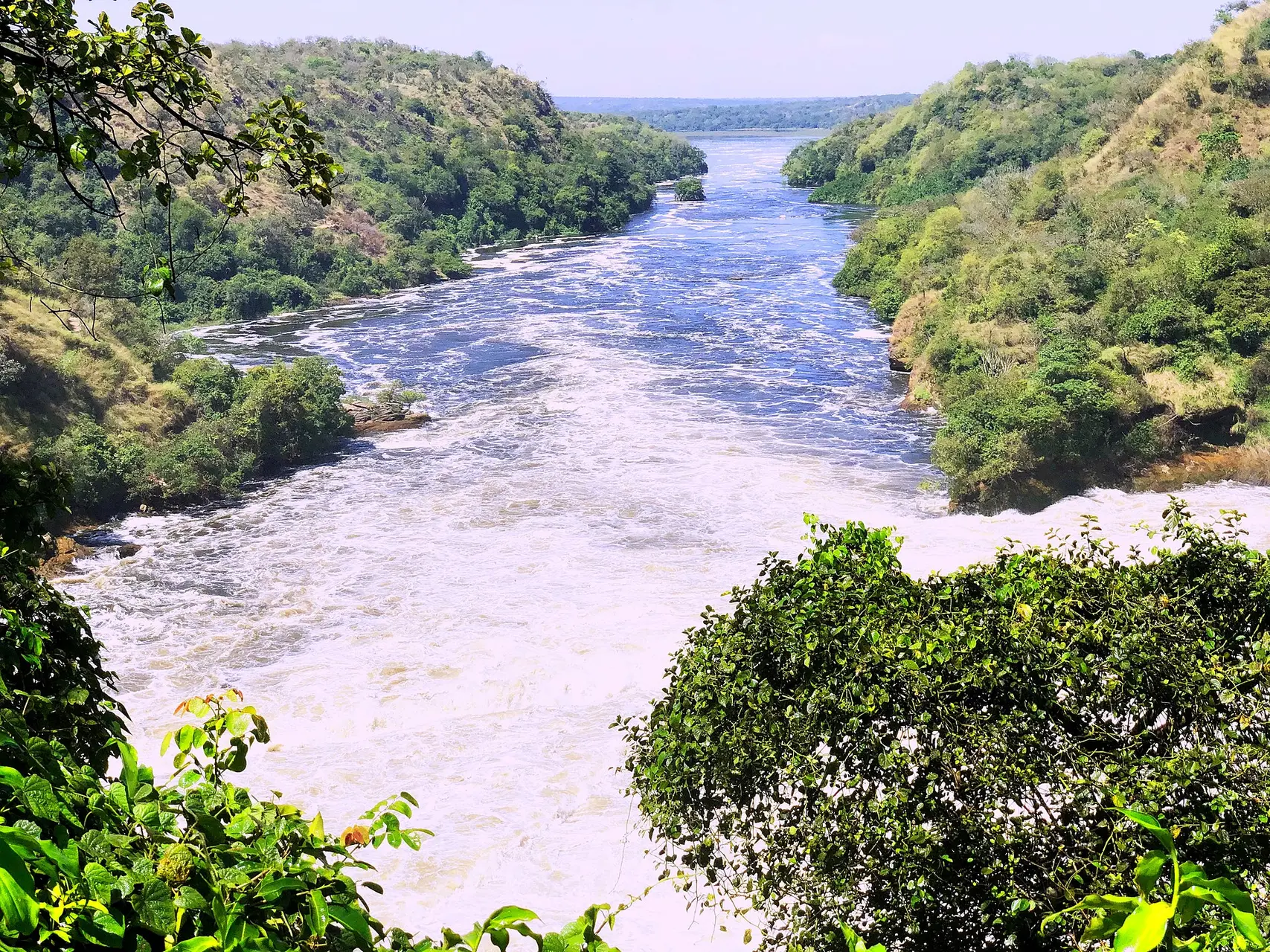
The Nile compresses through a narrow gorge before flowing into wildlife-rich river country.
The upper Nile brings rafting, kayaking and relaxed riverside time east of Kampala.
Primate-rich forest and nearby community wetlands complement a western Uganda circuit.
Remote mountain-edged savannah rewards travellers who accept the additional journey time.
These places are route ingredients, not a compulsory checklist. Geography should decide what fits. A slower itinerary often creates more wildlife time, deeper cultural context and less fatigue.
When and how
Practical decisions before booking.
Choose dates by purpose
June–September and December–February is a useful broad reference. Rainfall, road conditions, animal movement, climbing conditions, festivals and coast weather can point to different months. Decide the main experience first, then compare dates.
Treat travel time seriously
Most circuits use a driver-guide and 4WD; winding roads and town traffic make sensible overnight stops essential. Add contingency before international flights and avoid following a demanding drive with another high-effort activity.
Budget the route, not only the hotel
The local currency is Ugandan shilling (UGX). Park fees, specialist permits, domestic flights, private vehicles and remote-area logistics can shape the budget more than room category. Carry layered payment options and ask where cards, cash or mobile money work.
Taste the country
Food belongs in the itinerary.
Look for matoke, groundnut sauces, grilled fish, rolex wraps, tropical fruit and an emerging Kampala café scene. A guided market visit or locally led meal adds context, but leave some meals unplanned so the trip can respond to recommendations and energy levels. Translate serious dietary restrictions clearly and keep appropriate medication accessible.
1,250 ways to start
Popular Uganda trip ideas.
A connected region
Continue through East Africa.
Cross-border combinations work when flight schedules, border requirements and driving time support them. Do not add a country simply to collect another stamp.
Common questions
Before you personalise the route.
How many days should I spend in Uganda?
Seven to ten days creates a useful first journey for many travellers, but the right duration depends on the regions chosen. One or two strong bases are better than a rushed list of every highlight.
When is the best time to visit Uganda?
The broad planning window is June–September and December–February. The best exact month depends on wildlife, hiking, beach conditions, road access and your tolerance for rain or crowds.
How do travellers get around Uganda?
Most circuits use a driver-guide and 4WD; winding roads and town traffic make sensible overnight stops essential.