The route in one view
Focused enough to enjoy.
Burundi rewards travellers with royal drum heritage, Lake Tanganyika and green highland journeys. For this trip, the main thread is locally guided stories, architecture, music and everyday life. The route does not treat every famous place as compulsory; it protects the quality of the days that make the cut.
The luxury approach adds private guiding and excellent properties. Expect distinctive lodges, private transfers and high-touch hosting and an unhurried pace built around access and personal attention. A local specialist should reshape the sequence around exact arrival times, current access, traveller needs and seasonal conditions.
Day by day
Your 10-day Burundi route.
Arrive through Bujumbura
Meet the local host, review current conditions and begin with an easy orientation. The luxury plan uses distinctive lodges, private transfers and high-touch hosting, so the first evening is deliberately light.
Gitega: heritage and context
Explore Gitega with time for locally guided stories, architecture, music and everyday life. The political capital is a useful base for museums, central highlands and Burundi’s historical story. The day follows an unhurried pace built around access and personal attention, with the final sequence adjusted to actual road, weather and access conditions.
Kibira: forest and context
Explore Kibira with time for locally guided stories, architecture, music and everyday life. Montane forest, tea landscapes and birdlife offer a green counterpoint to the lakeshore. The day follows an unhurried pace built around access and personal attention, with the final sequence adjusted to actual road, weather and access conditions.
Karera Waterfalls: nature and context
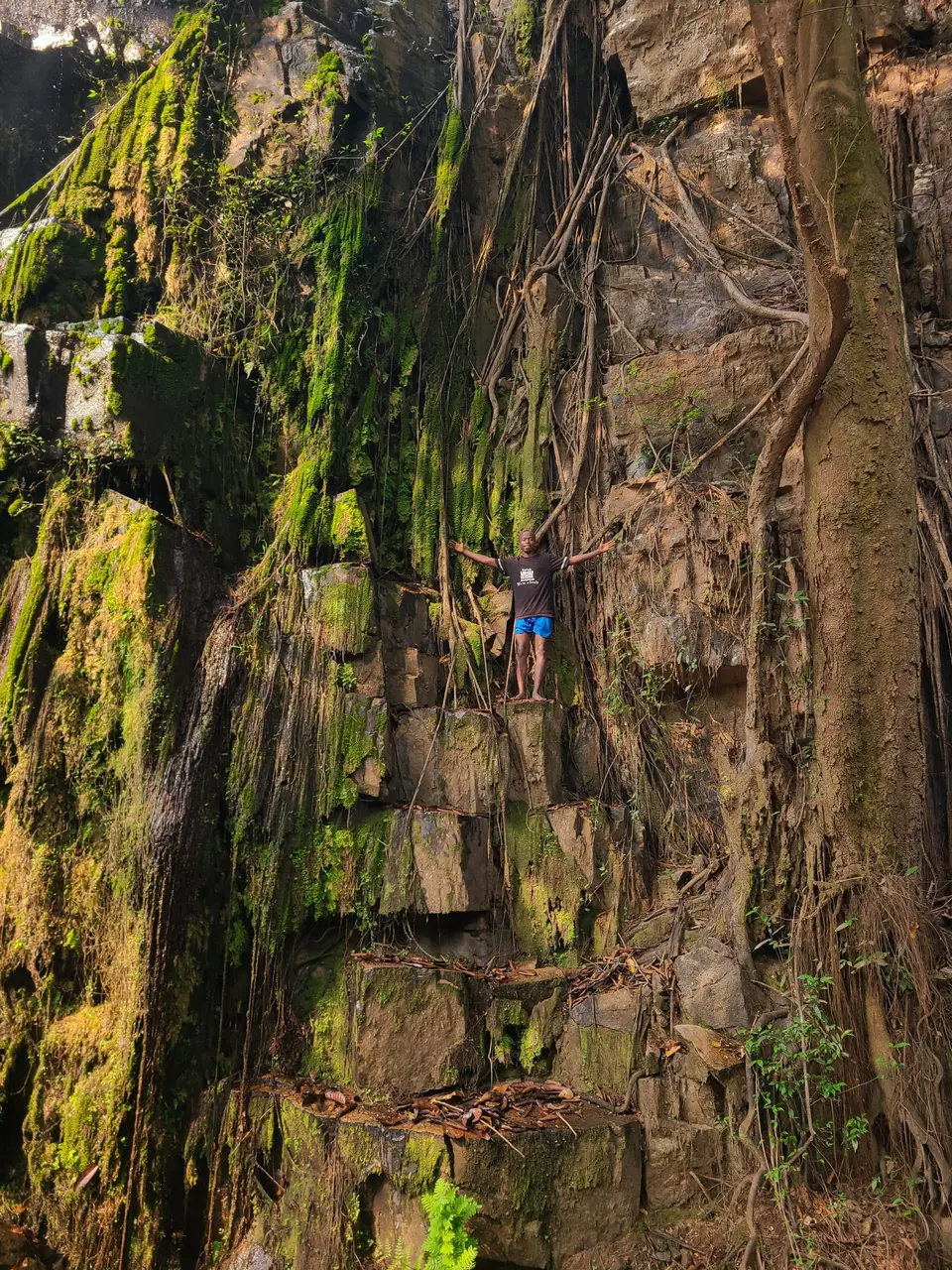
Explore Karera Waterfalls with time for locally guided stories, architecture, music and everyday life. A sequence of falls set within the southeast makes a rewarding scenic day when access is confirmed. The day follows an unhurried pace built around access and personal attention, with the final sequence adjusted to actual road, weather and access conditions.
Source of the Nile: history and context
Explore Source of the Nile with time for locally guided stories, architecture, music and everyday life. A monument and highland setting invite discussion of geography, exploration narratives and local context. The day follows an unhurried pace built around access and personal attention, with the final sequence adjusted to actual road, weather and access conditions.
Bujumbura: lake city and context
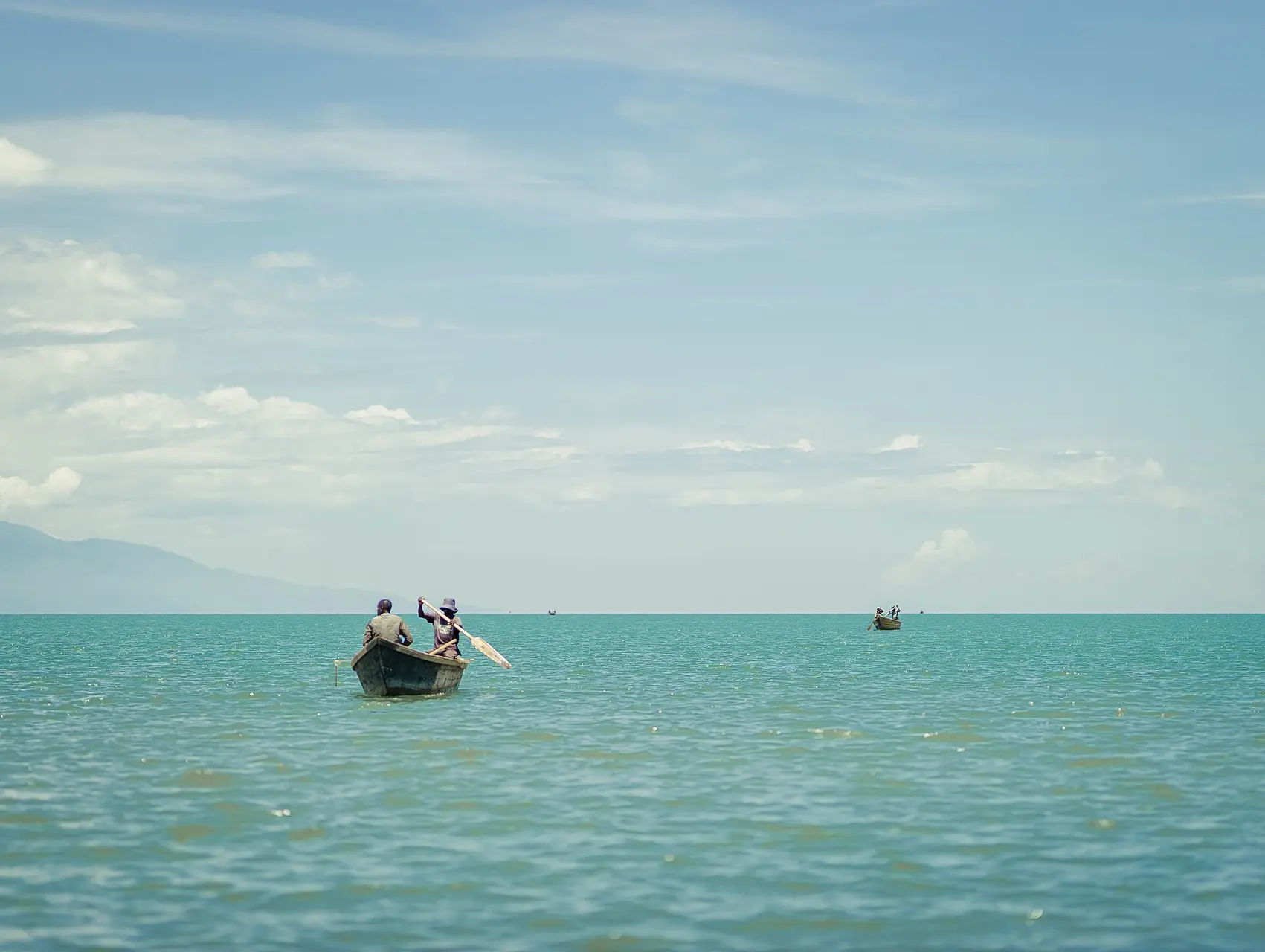
Explore Bujumbura with time for locally guided stories, architecture, music and everyday life. The country’s main gateway blends markets, neighbourhood life and sunsets along Lake Tanganyika. The day follows an unhurried pace built around access and personal attention, with the final sequence adjusted to actual road, weather and access conditions.
Gishora: culture and context
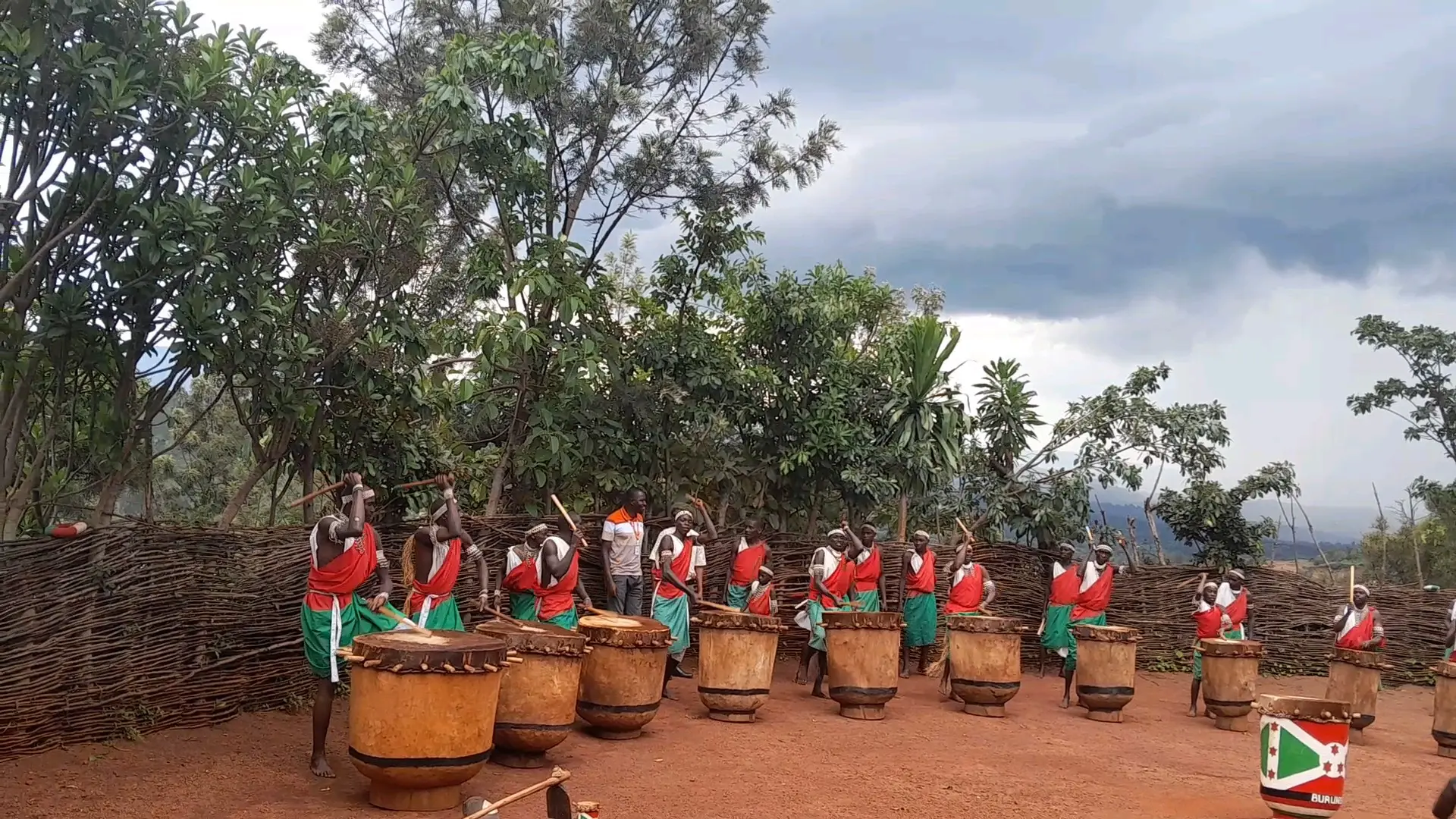
Explore Gishora with time for locally guided stories, architecture, music and everyday life. Royal drum traditions are presented through performance, history and an important living cultural institution. The day follows an unhurried pace built around access and personal attention, with the final sequence adjusted to actual road, weather and access conditions.
Gitega: heritage and context
Explore Gitega with time for locally guided stories, architecture, music and everyday life. The political capital is a useful base for museums, central highlands and Burundi’s historical story. The day follows an unhurried pace built around access and personal attention, with the final sequence adjusted to actual road, weather and access conditions.
Kibira: forest and context
Explore Kibira with time for locally guided stories, architecture, music and everyday life. Montane forest, tea landscapes and birdlife offer a green counterpoint to the lakeshore. The day follows an unhurried pace built around access and personal attention, with the final sequence adjusted to actual road, weather and access conditions.
A calm final morning and onward travel
Leave room for one nearby culture & heritage experience, a relaxed meal or shopping from independent makers. Reconfirm the transfer and protect generous time before the onward connection.
Why this route works
The planning logic behind the stops.
Build around opening days, community calendars and enough time for conversation rather than staged stops. In Burundi, that means working with Lake Tanganyika beaches, rolling cultivated hills, montane forest and a high central plateau while leaving enough time for local context and unexpected conditions.
Private road transfers are the clearest way to connect Bujumbura, Gitega and highland sites; allow time for road conditions and local checks. The route therefore uses fewer bases than a highlights checklist might suggest. Long travel days are followed by lighter starts, and the final night is positioned with the onward connection in mind.
Stays and meals
Match comfort to the experience.
This version favours distinctive lodges, private transfers and high-touch hosting. Location usually matters more than an extra facility: an appropriate base can reduce driving, improve early access and create more time in the place.
Food is part of the journey. Research mukeke fish, beans, plantain, cassava, brochettes, fresh produce and locally grown coffee and tea. Keep dietary needs specific, allow flexibility for local recommendations and carry essential medication rather than relying on every kitchen to solve a serious allergy.
Timing and money
Decisions to make before payment.
Choose the month carefully
The broad planning window is June–September and December–February, but the ideal dates for culture & heritage may be narrower. Compare rain, heat, wildlife movement, trail or water conditions, festivals, crowds and road access.
Ask for an itemised quotation
The currency is Burundian franc (BIF). A useful proposal identifies transport, guide time, stays, meals, entrance or permit fees, taxes, cancellation rules and exclusions. Keep a contingency for schedule changes and carry more than one payment method.
Travel with care
Responsibility is part of the design.
Ask before photography, pay fairly for expertise and let local hosts shape how their culture is presented. Keep locally owned guides, stays and food businesses in the spending mix. Ask permission before close photography and respect community boundaries even when a visit is commercially organised.
For wildlife and conservation experiences, follow distance rules and avoid forced contact, feeding or handling. For cultural visits, fair local participation matters more than collecting staged moments.
Common questions
Before personalising this itinerary.
Is 10 days enough for Burundi?
It can create a strong, selective route. The exact number of bases should reflect road time and the main interest rather than a wish to see everything.
Who is this culture & heritage itinerary for?
It suits travellers who value locally guided stories, architecture, music and everyday life and prefer a luxury approach. The route can be adapted for dates, mobility, age and specific priorities.
Does the itinerary include a fixed price?
No. Dates, group size, park or permit fees, transport and accommodation materially change the quotation. Request a current itemised proposal before making payment.
What must be checked before travel?
Check current passport, visa, transit, health, insurance and official travel guidance for the traveller’s nationality, route and dates. Confirm access and schedules locally.
Keep comparing